
Future-Proof Your Property Management: Top AI Document Trends Every Board Should Know
- vaibhavk04
- Aug 11
- 3 min read
Fall interactions and outputs need
Property management isn’t what it used to be—and that’s a good thing. As digital transformation sweeps the industry, AI is at the heart of better, faster, and smarter document management. For property management boards, keeping up with AI document trends isn’t just a “nice to have”—it’s key for staying competitive, compliant, and efficient.
Let’s break down the top AI document trends every property board should know to truly future-proof operations in 2025 (and beyond).
AI Lease Abstraction: The Foundation of Modern Document Management
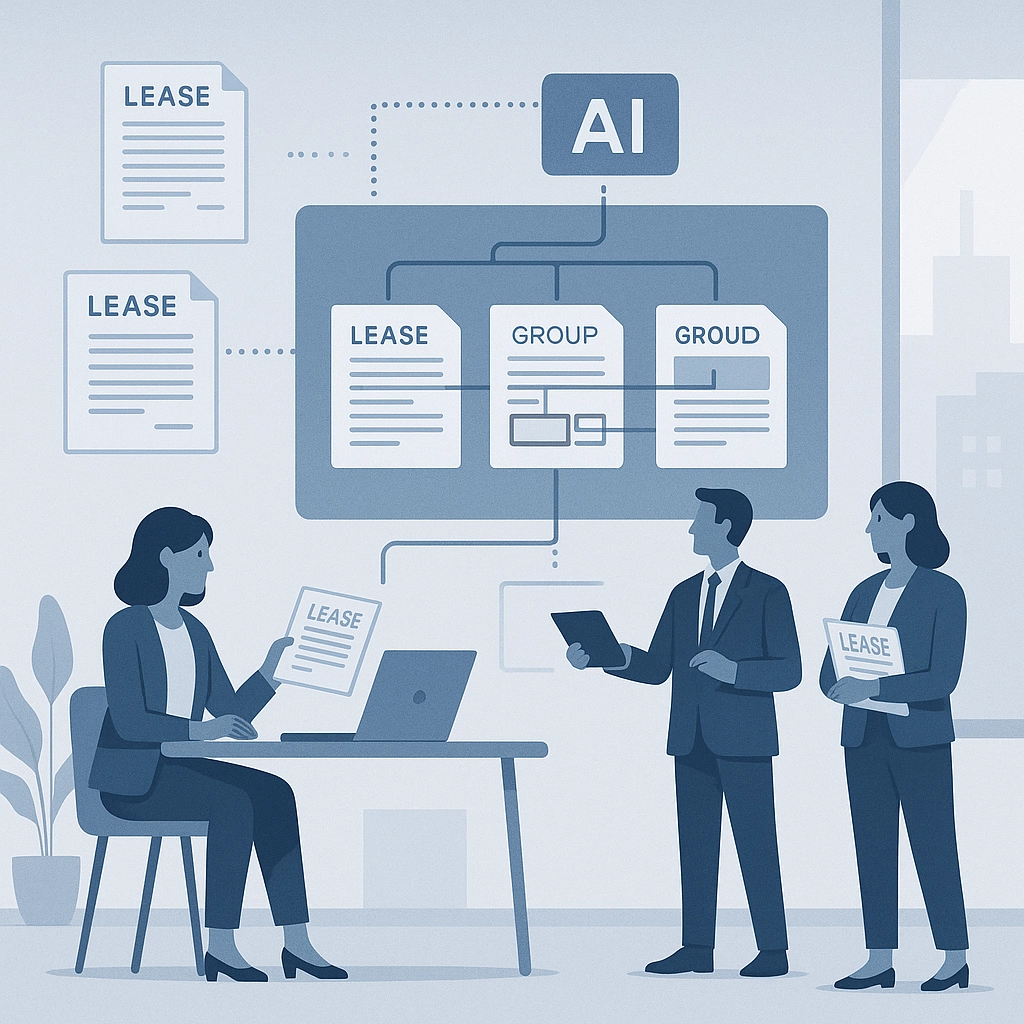
If you’re manually combing through lease documents, you’re living in the past. Lease abstraction powered by AI is a total game-changer for property and HOA boards.
AI lease abstraction tools can scan huge volumes of leases and automatically extract crucial data—think key dates, renewal options, rent escalations, and compliance clauses. No more “Ctrl+F” fishing or endless spreadsheet columns. Instead, AI builds a searchable lease knowledge base for your entire portfolio, so you can answer complex questions or flag issues in seconds.
Imagine being instantly alerted when a tenant’s lease is up for renewal, or having the ability to spot hidden obligations or missed expense escalations. For boards responsible for dozens (or hundreds) of leases, this saves countless hours and minimizes costly oversights.
Automated Document Processing and Task Management
AI doesn’t stop at leases. Today’s top AI systems automate a swath of routine, document-heavy workflows:
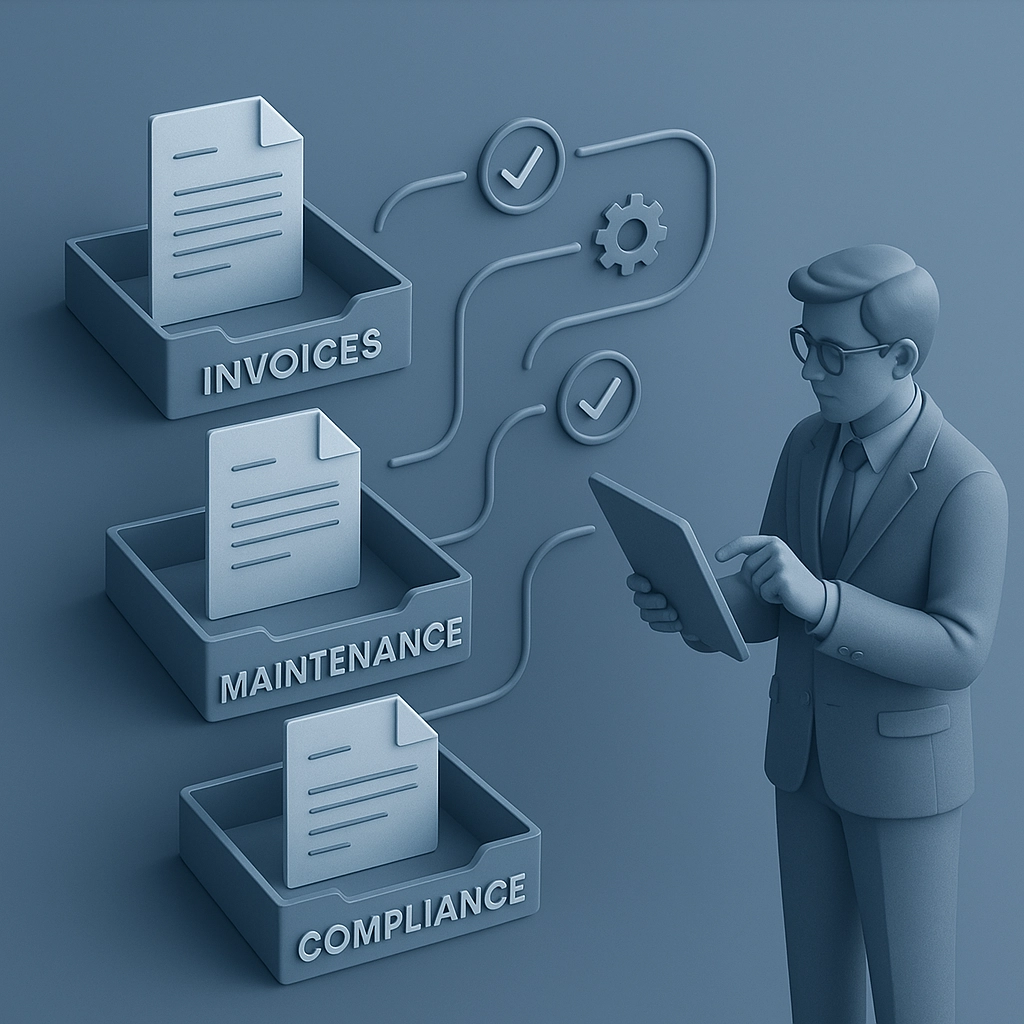
Invoice Processing: AI automatically categorizes invoices, flags discrepancies, and handles expense allocations with minimal human oversight.
Maintenance Requests: Tenants submit an issue, and AI routes it, creates a work order, and documents the entire process—no manual tracking needed.
Compliance Monitoring: Let AI scan and review regulatory filings, safety documentation, and contracts for compliance issues before they bite back.
AI-powered document processing means less time on paperwork and more focus on high-impact decisions for your board.
Predictive Analytics Through Document Intelligence
One of AI’s biggest superpowers? Turning piles of documents into actionable insight.
By blending your financial docs, lease agreements, and market data, predictive AI models can:
Forecast rent trends
Spot properties at risk for vacancies or maintenance bottlenecks
Project annual budgets and reserves
Recommend optimal times for major capital improvements
This means your board can move from guesswork to hard numbers. Imagine not just seeing what’s happened, but actually anticipating what’s next for your entire portfolio.
Automated Valuation Models (AVMs) and Investment Documentation
Property valuation used to take weeks and cost a fortune—but with Automated Valuation Models (AVMs) powered by AI, things move at lightning speed.
AVMs analyze everything from property specs to neighborhood comps, recent sales, and market trends to deliver near-instantaneous, data-backed valuations. For boards considering refinancing, buy/sell decisions, or NNN lease structuring, this is invaluable:
AVMs support lease negotiations with real-time market data.
They streamline compliance and appraisal documentation.
For complex portfolios (like mixed-use or commercial), AVMs offer clarity and consistency you just can’t get manually.
This puts more decision-making power directly into your board’s hands.
Enhanced Communication and Reporting Documentation
AI also transforms the way boards gather, interpret, and act on information.
Modern AI-powered reporting tools can pull in data from disparate sources (property management systems, accounting software, maintenance logs) and automatically build executive dashboards. These dashboards flag anomalies, save hours of manual report prep, and create clear visuals for meetings and annual reviews.
AI chatbots and virtual assistants now handle resident inquiries, service requests, and amenity bookings 24/7, automatically documenting every interaction and providing a full communication log for board review.

Specialized Property Type Documentation
Not all properties are created equal—neither are their documentation needs. Today’s AI tools are increasingly specialized:
Manufactured Housing Communities: AI manages modular and site-specific lease documentation with complex structures.
Retirement/Nursing Homes: Automates medication, care plans, and compliance paperwork.
Mixed-Use Developments: Tracks residential, commercial, and common area docs in one unified system.
For boards overseeing diverse assets, these advances mean less scrambling, fewer gaps in records, and peace of mind knowing all documentation standards are consistently met.
Strategic Implementation Considerations
No trend is worth following blindly—so what’s the catch? Moving to AI-powered documentation does require some homework:
Data Security: Sensitive financial and tenant data must be handled with airtight security and compliance practices.
Change Management: Board members and staff need onboarding and training to get comfortable with new workflows.
Technology Budgeting: Upfront investment in AI tools and digital infrastructure is needed—but the payback in efficiency and reduced risk is substantial.
The boards embracing these tools today are setting themselves up not just for this year’s success, but for a future that’s automated, intelligent, and resilient.
If you’re ready to take document headaches off your plate and make your board’s work smarter—not harder—explore what DocuScrit can do for you. For more about AI-powered document management, check out our platform at docuscrithub.com.
Ready for a deeper dive or want to see these trends in action? Let’s connect—we’re always here to help boards future-proof their property operations.
Comments